
How it works
From a worry to a decision on record.
SRIS follows the risk loop from the Studio Risk Foundations course. Each step is small. Together they turn noise into a record you can trust.
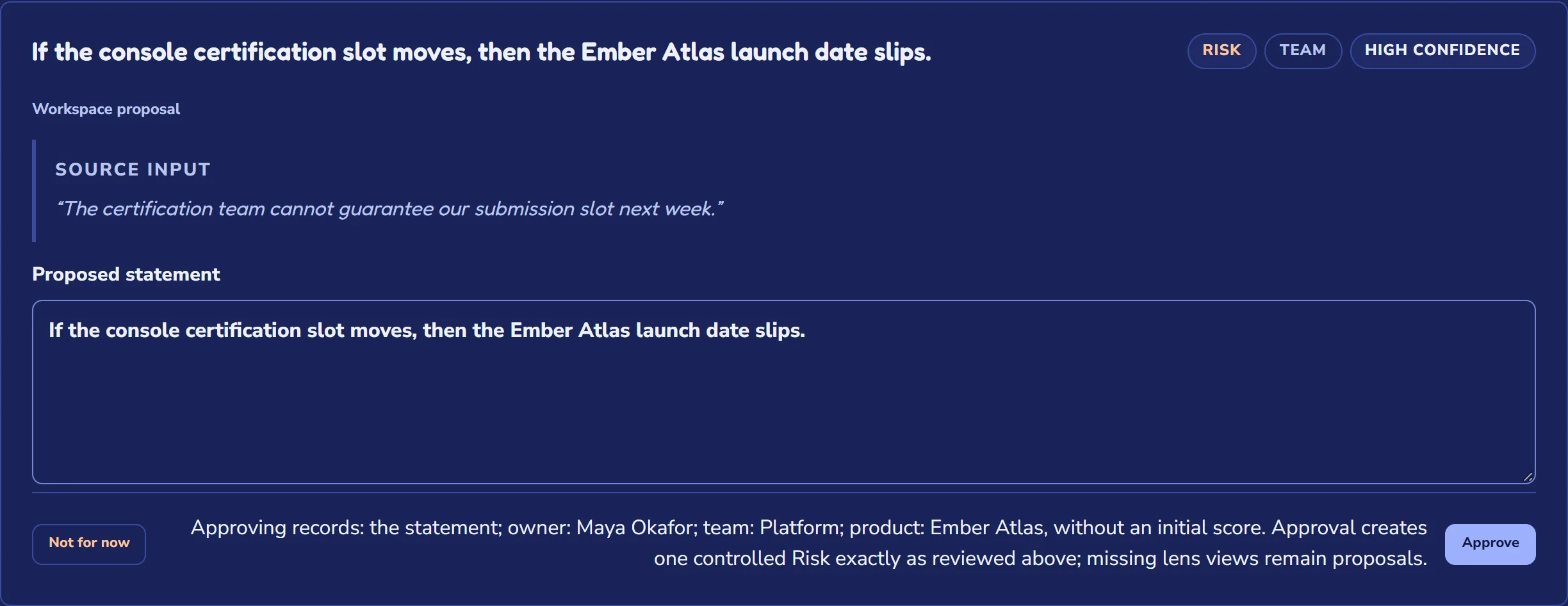
01 Capture
- Describe it in your own words.
- Suggest an owner if you know one, and an action if you have one.
- Nothing becomes fact without a person.
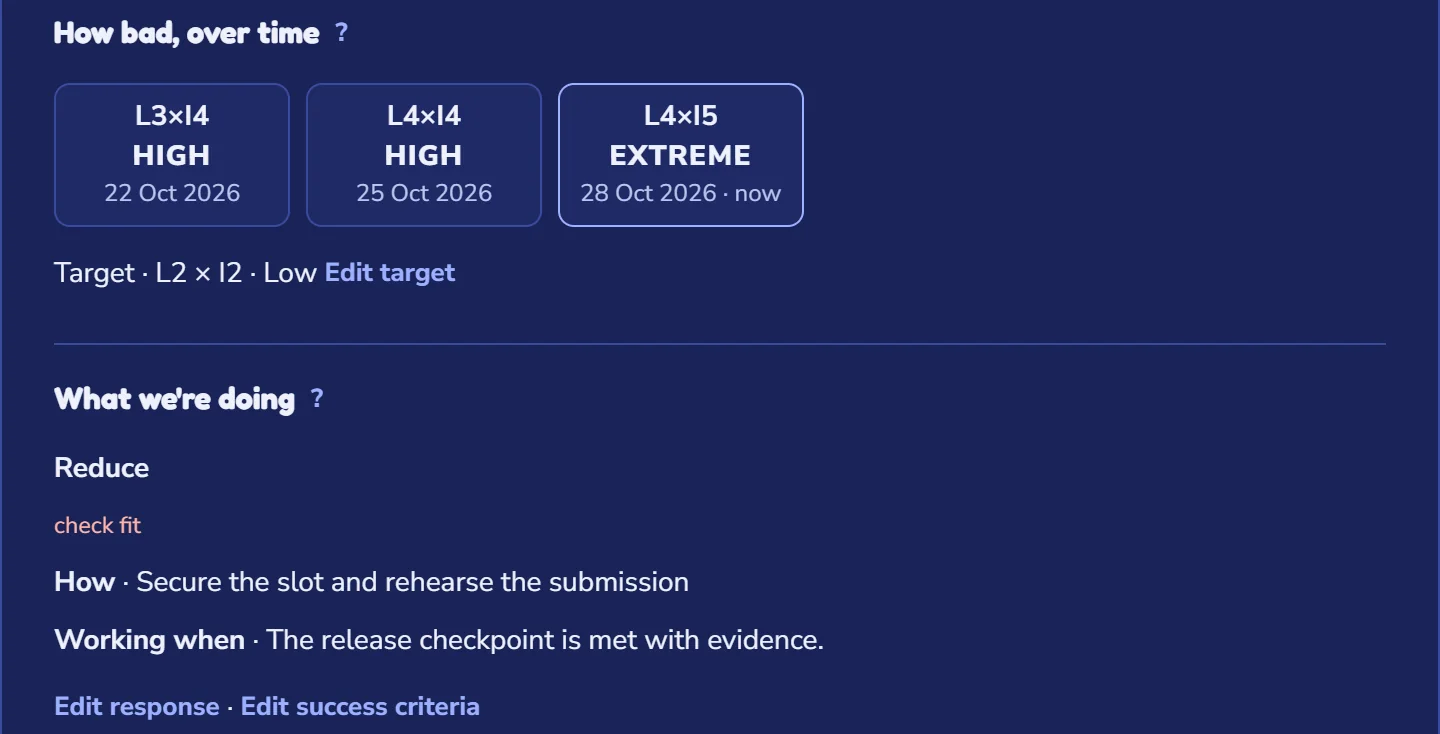
02 Assess
- Clear scales.
- Your judgement counts.
- Know where you are heading.
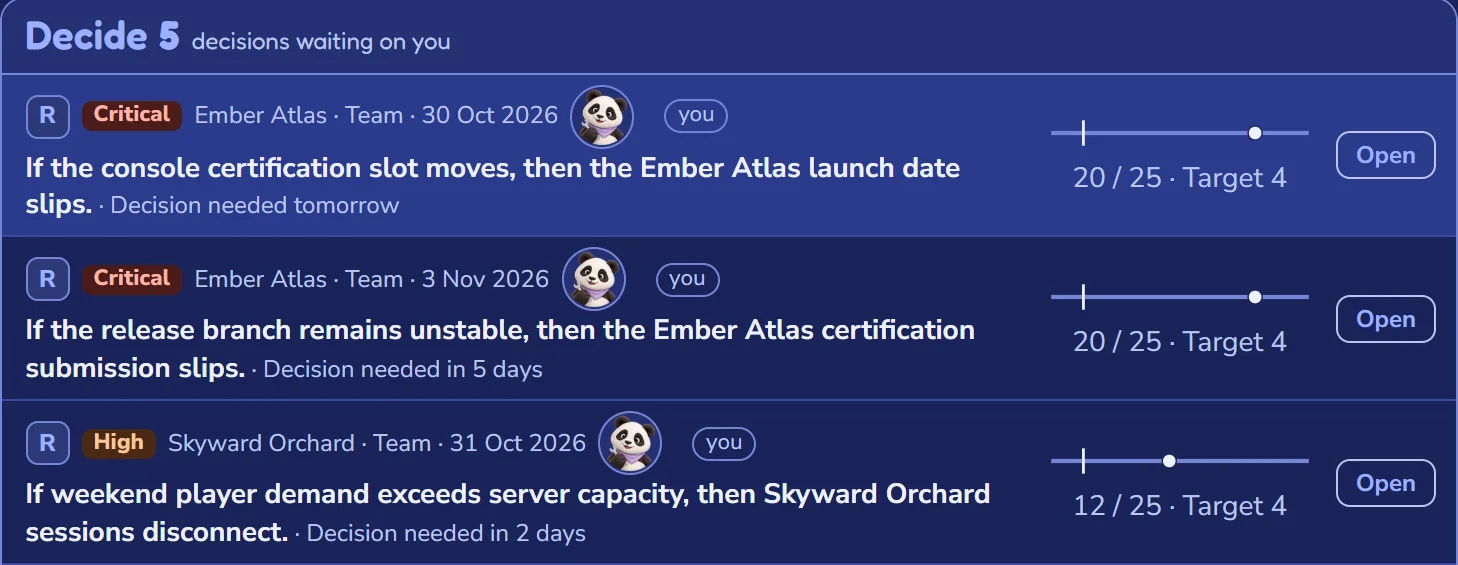
03 Respond and decide
- Actions with owners and due dates.
- Who decided, why, and when to look again.
- Escalate to the right level.
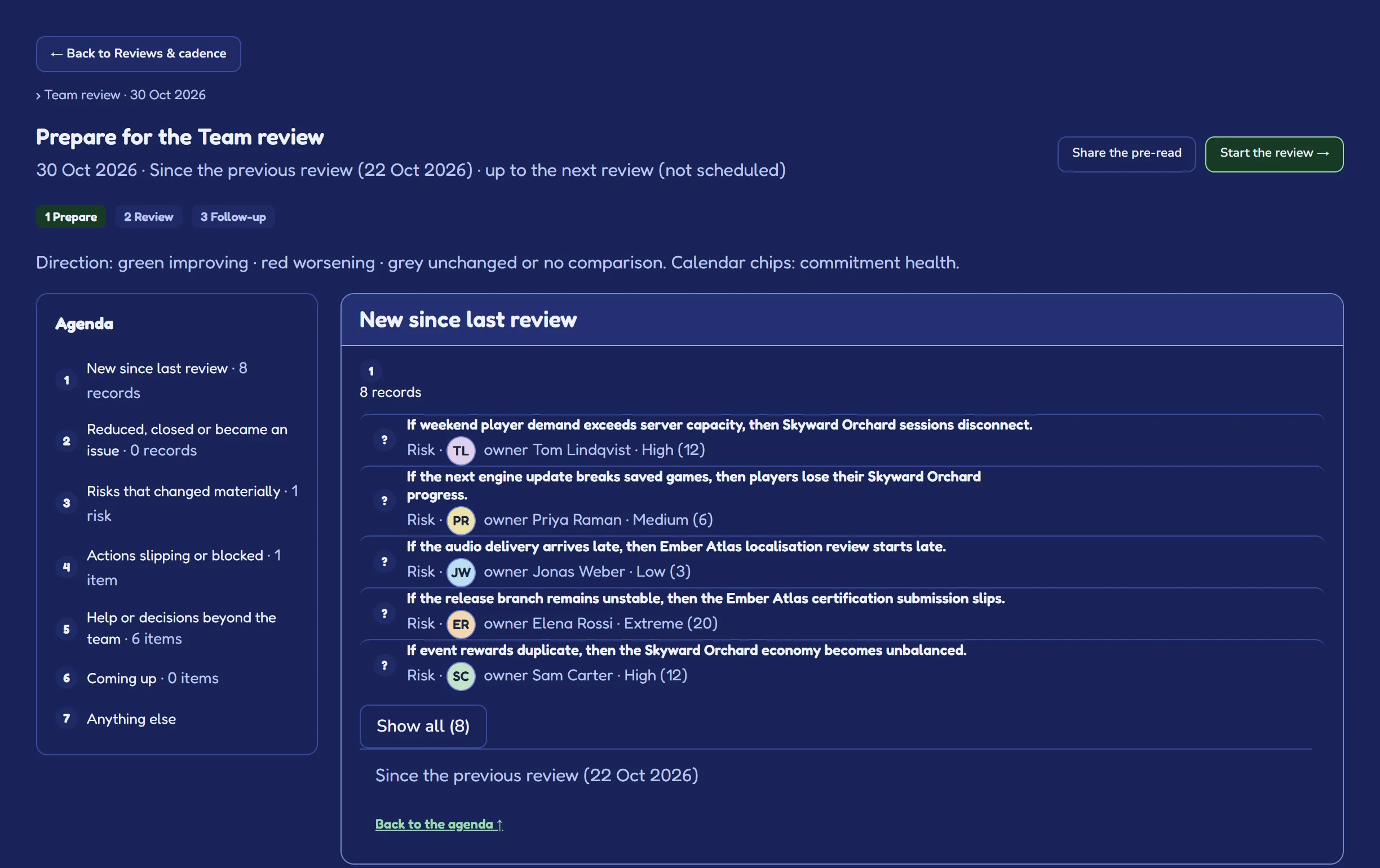
04 Stay on top
- One queue.
- Actions, reviews and approvals in one place, so nothing goes quietly overdue.
- Link to your team's tools.
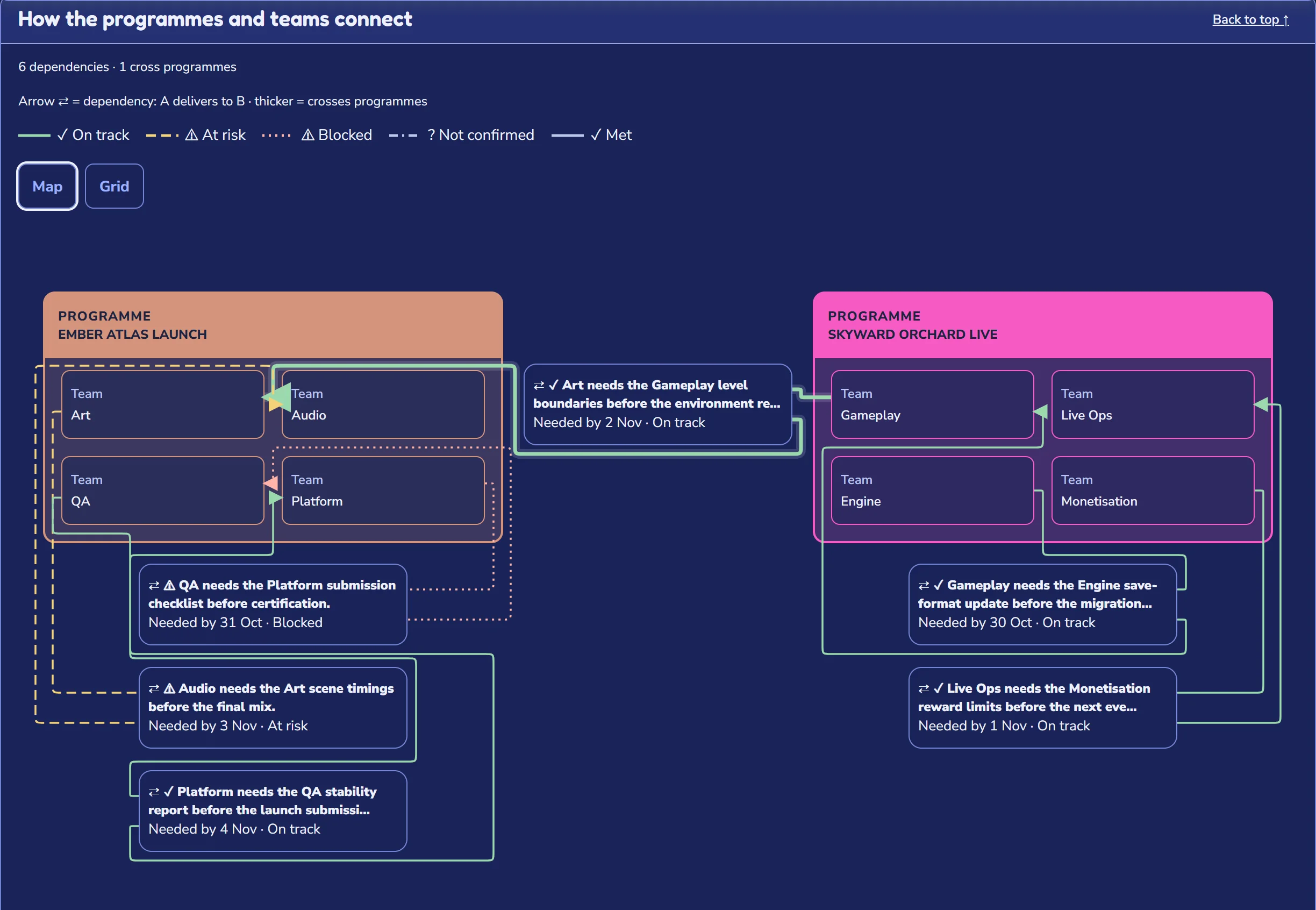
05 See across teams
- Programme and Portfolio registers hold what crosses team boundaries.
- Each team's own register stays in its own tool, linked from SRIS.
- One problem, many places.
06 Review and report
- An agenda built from your records, with what is new since the last review.
- Make the review count.
- Reports built from your records.
Calm by design.
Production is stressful enough. SRIS is gentle on purpose.
- Blue, Light and Dark themes, and calm layouts for long days.
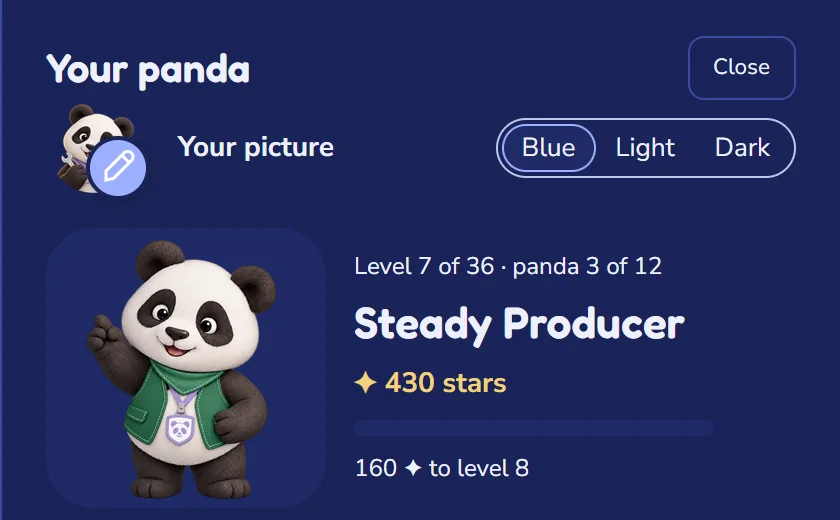
- Private stars and panda moments for good habits: reviews on time, decisions on time, risks raised early. Never for scores or outcomes.
What SRIS is not.
- Not a task tracker. Your teams keep their own tools.
- Not your team's project register. SRIS holds what needs a senior decision.
- Not an autopilot. The AI suggests. People decide.
On the list.
- Bring your existing registers and documents.
- Crisis readiness: playbooks and exercises for when things go badly wrong.
- Capture what your studio learns, ready to reuse.
These are plans, not promises.
Help us shape SRIS.
We are looking for a small, varied group of studios. You get a private SRIS site, Liam's support and a real say in what we build next. We ask for honest use and honest feedback.
Apply for the pilot →Not ready yet? Get the newsletter and hear how the pilot goes.